
How Chassis Design Impacts the Strength of a Skeletal Trailer
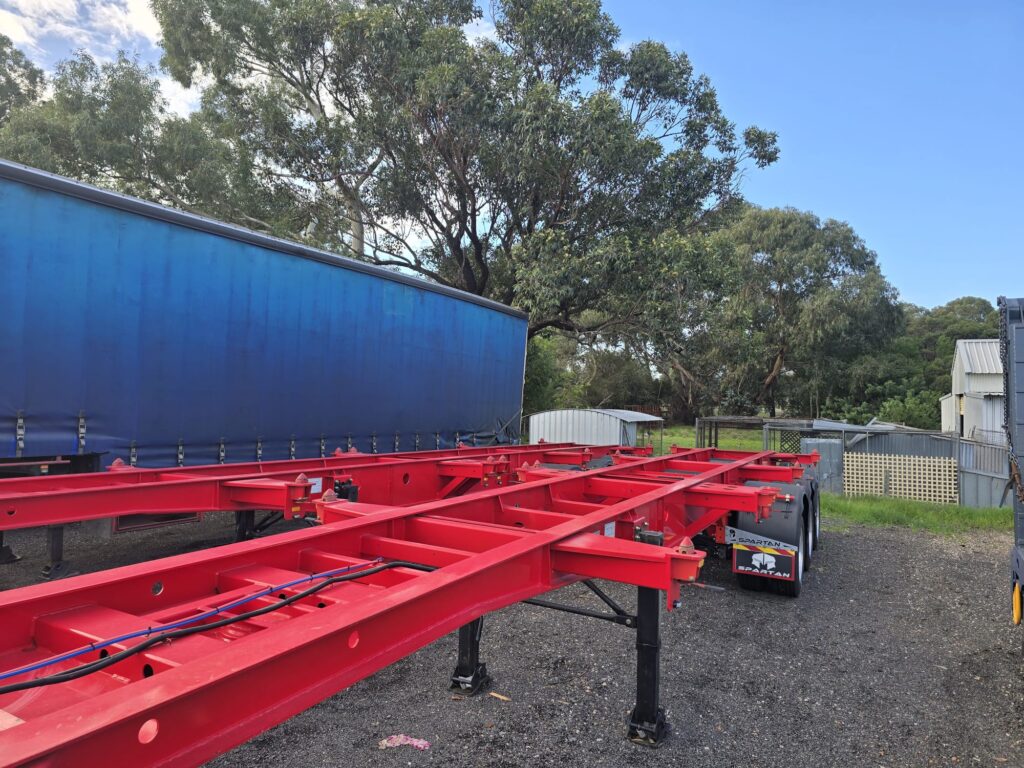
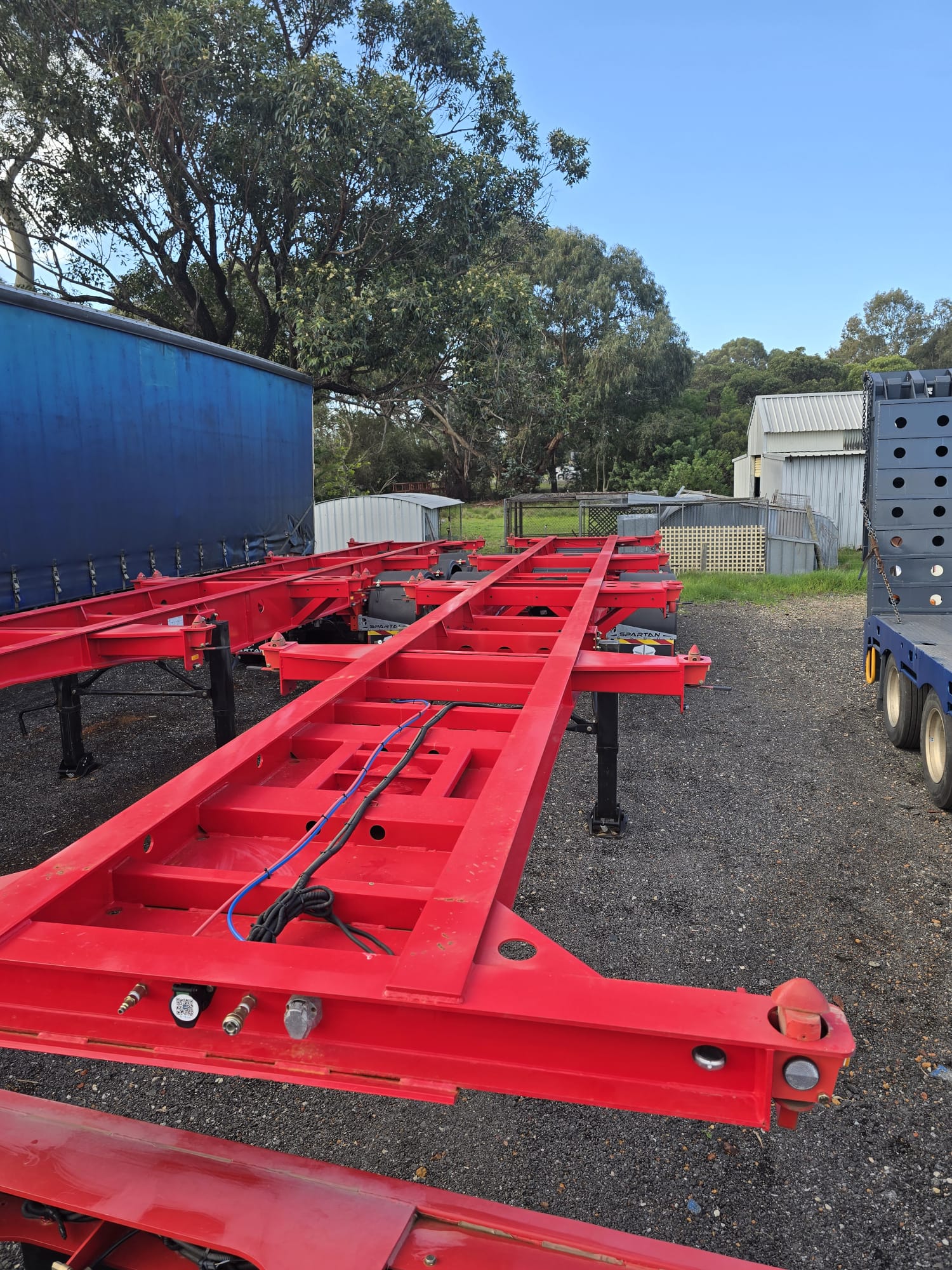
When it comes to transporting shipping containers safely and efficiently, the chassis is the foundation of every skeletal trailer. While container locks, suspension and braking systems all play important roles, the strength of the trailer begins with its structural design. A well-engineered chassis improves load distribution, reduces structural stress and delivers greater durability across Australia’s demanding transport routes.
Whether you’re hauling containers across metropolitan roads or long regional highways, investing in a trailer with a robust chassis design can improve reliability, minimise maintenance costs and maximise operational uptime.
Why the Chassis Is the Backbone of a Skeletal Trailer
The chassis carries the entire weight of the container and transfers those loads evenly to the suspension, axles and prime mover. Every component must work together to prevent excessive flexing, twisting and fatigue during daily operations.
An effective skeletal trailer chassis is designed to:
-Support heavy container loads without excessive deflection
-Maintain structural integrity over long distances
-Resist torsional forces when travelling over uneven road surfaces
-Provide stable handling under varying load conditions
-Deliver long-term durability with reduced maintenance requirements
A strong chassis not only improves safety but also extends the working life of the trailer.
The Importance of Main Chassis Rails
The main longitudinal rails are the primary load-bearing members of the trailer. Their design, material selection and reinforcement determine how effectively the trailer handles concentrated container loads.
High-quality chassis rails help to:
-Distribute weight evenly along the trailer
-Reduce stress concentrations
-Improve resistance to bending
-Maintain trailer alignment under heavy loads
Using high-tensile steel allows manufacturers to achieve excellent structural strength while reducing unnecessary weight, increasing payload capacity without compromising durability.
Cross Members Improve Structural Rigidity
Cross members connect the main chassis rails and play a critical role in maintaining rigidity throughout the trailer.
Properly engineered cross member placement helps:
-Improve load distribution
-Reduce chassis flex
-Increase torsional strength
-Support container twist lock mounting points
-Minimise fatigue cracking over time
The spacing and positioning of cross members are carefully engineered to ensure the chassis performs consistently under demanding operating conditions.
Suspension Integration Matters
A well-designed chassis works together with the suspension system to absorb road impacts and distribute forces efficiently.
Strong suspension mounting areas help:
-Reduce stress around axle groups
-Improve vehicle stability
-Minimise tyre wear
-Enhance driver confidence
-Extend component lifespan
Proper engineering ensures that impact forces are transferred through the chassis rather than concentrated in isolated sections.
Material Selection Makes a Difference
The quality of materials used during manufacturing has a significant influence on trailer performance.
Premium skeletal trailers often feature high-strength structural steel that offers:
-Greater fatigue resistance
-Higher tensile strength
-Improved durability
-Reduced chassis weight
-Better long-term value
Combining quality materials with precision fabrication creates a trailer capable of handling Australia’s challenging transport environment.
Precision Manufacturing Delivers Long-Term Reliability
Even the best design requires accurate manufacturing. High-quality welding, precise alignment and strict quality control all contribute to the overall strength of the finished trailer.
Professional manufacturing practices help:
-Maintain chassis accuracy
-Improve structural consistency
-Reduce premature wear
-Increase operational reliability
-Lower long-term maintenance costs
Attention to detail during fabrication is one of the key differences between an average trailer and one built for long-term performance.
Why Chassis Design Matters for Australian Operators
Australian freight operators demand trailers that can withstand heavy loads, changing road conditions and long operating hours. Choosing a skeletal trailer with a well-engineered chassis helps improve productivity while reducing unexpected downtime and repair costs.
At Spartan Quip, every skeletal trailer is engineered with durability, strength and performance in mind. From high-quality steel construction to precision fabrication, our trailers are built to meet the demands of Australian transport operators who require dependable equipment every day.


Leave a Reply