Why Cross Member Spacing Matters in Drop Deck Trailer Design
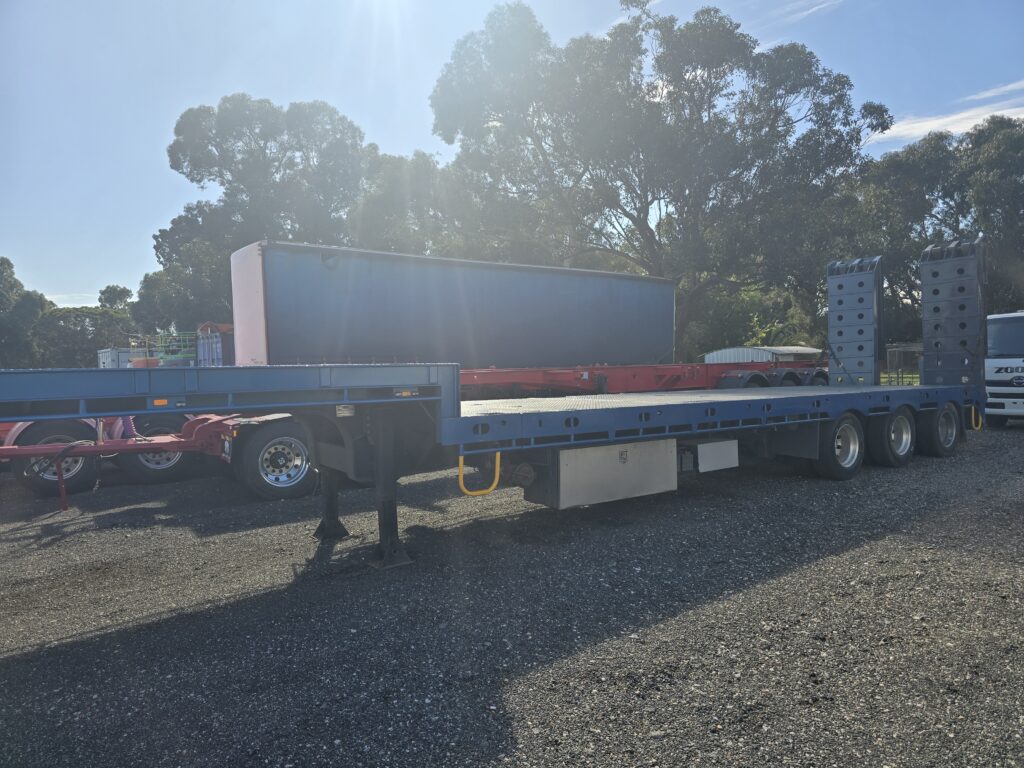
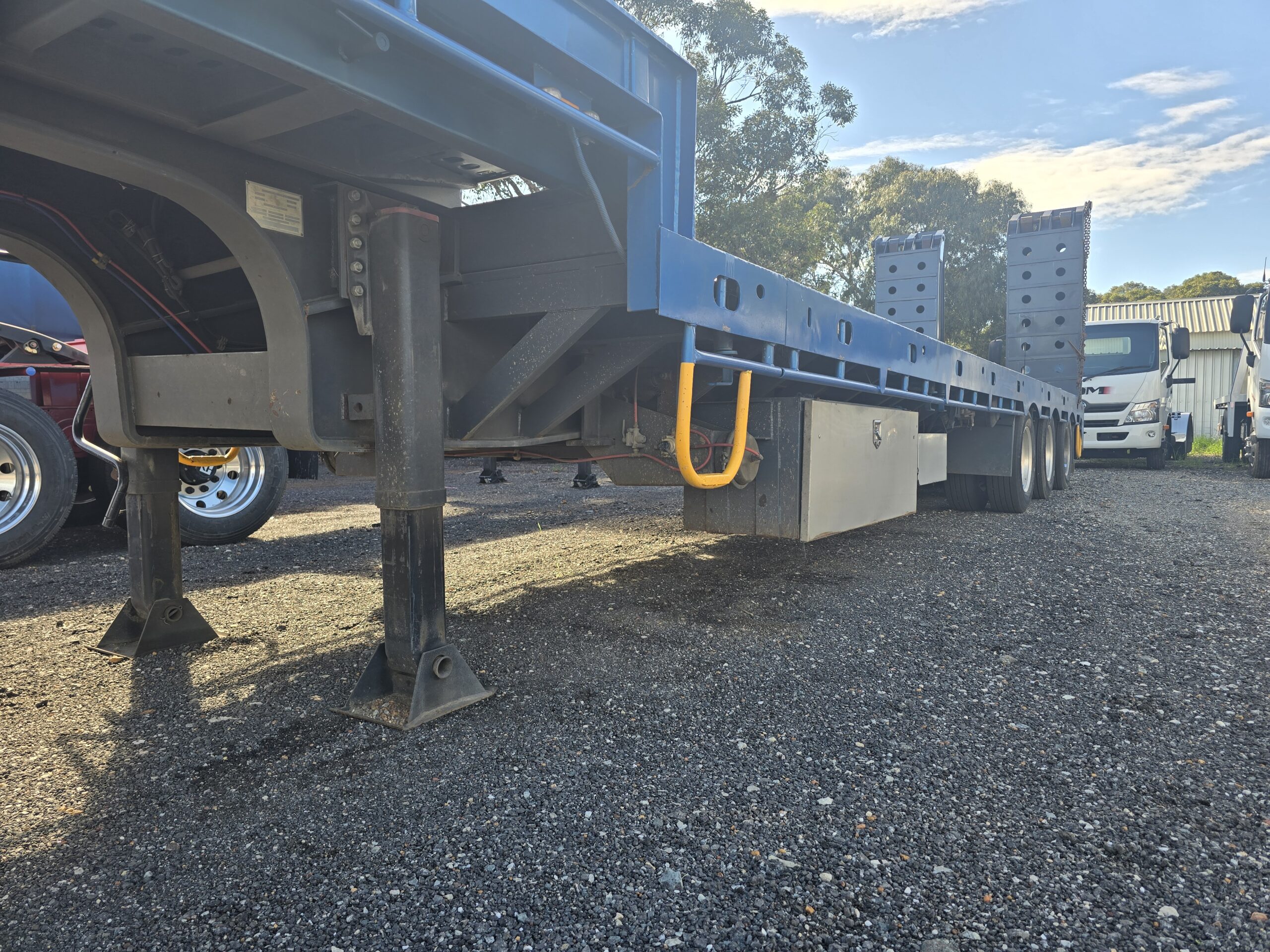
When selecting a drop deck trailer, features such as payload capacity and deck length often receive the most attention. However, one of the most important structural elements is largely hidden beneath the deck—the cross members.
Cross members play a vital role in supporting the trailer floor, distributing loads across the chassis and maintaining structural integrity. Their spacing and design directly influence how well a trailer performs under demanding Australian transport conditions.
What Are Cross Members?
Cross members are the structural beams that run across the width of the trailer, connecting the main chassis rails. Together, they create the framework that supports the trailer deck and transfers the weight of the load into the chassis.
The number, spacing and strength of these cross members are carefully engineered based on the trailer’s intended application.
Why Cross Member Spacing Is Important
Every load applies force differently.
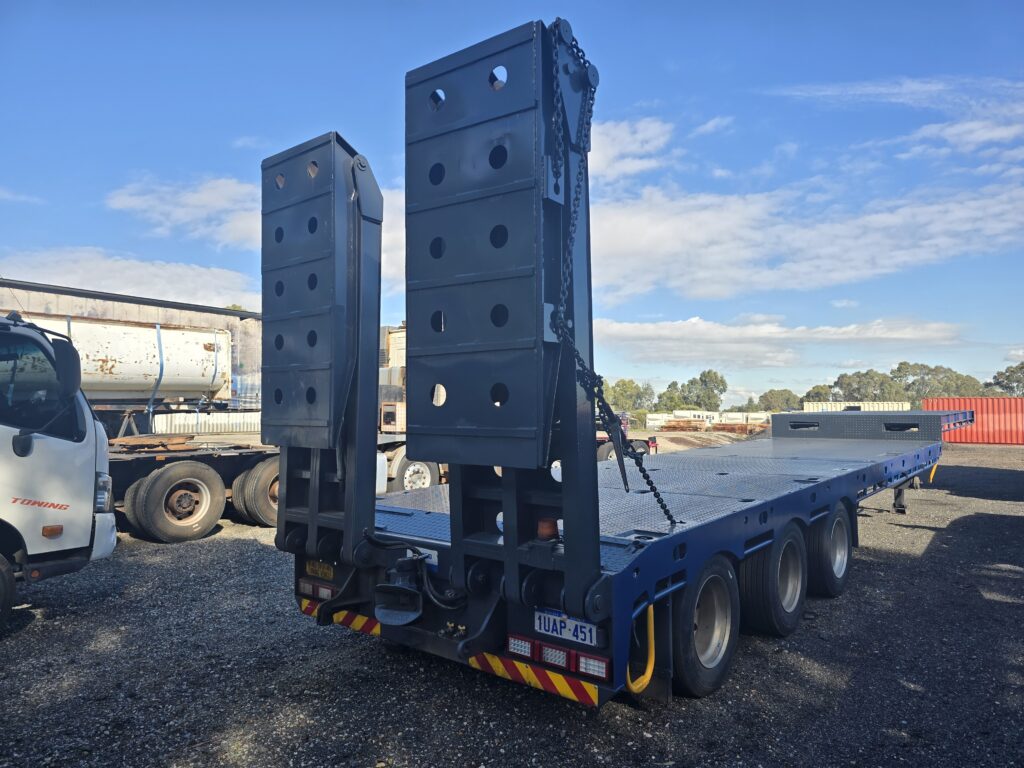
A drop deck trailer transporting heavy machinery experiences concentrated loads, where significant weight is applied to specific points on the deck. If cross members are spaced too far apart, excessive stress can develop in the deck and chassis.
Correctly engineered spacing helps distribute these forces more evenly, reducing localised stress and improving overall structural performance.
Supporting Concentrated Loads
Unlike palletised freight, equipment such as excavators, rollers and access machinery often place most of their weight through tracks or tyres.
This creates high point loads that require additional structural support beneath the deck.
Well-designed cross member spacing helps:
-Reduce deck flex
-Improve load distribution
-Increase deck strength
-Support heavy equipment safely
Reducing Long-Term Fatigue
Drop deck trailers are exposed to constant vibration, dynamic loading and road impacts throughout their service life.
If structural loads aren’t evenly distributed, repeated stress can accelerate fatigue around welds and chassis components.
A well-engineered cross member layout helps minimise these stresses, contributing to improved durability and reduced maintenance over the long term.
Balancing Strength and Weight
Adding more cross members isn’t always the best solution.
Engineers must balance structural strength with trailer tare weight. Excessive steel can reduce available payload, while insufficient reinforcement may affect long-term durability.
The objective is to achieve the right combination of strength, rigidity and payload efficiency for the trailer’s intended application.
Why Manufacturing Quality Matters
Cross member performance depends not only on spacing but also on fabrication quality.
Accurate alignment, consistent welding and secure integration with the main chassis all contribute to a trailer that performs reliably under demanding operating conditions.
Attention to these engineering details helps improve structural integrity throughout the trailer’s working life.
Engineered for Heavy-Duty Transport
At Spartan Quip, our drop deck trailers are engineered with heavy-duty chassis construction and carefully designed cross member layouts to support demanding transport applications across Australia. Combined with quality materials and precision manufacturing, this approach helps deliver the strength, durability and reliability required for transporting heavy machinery and specialised equipment.


Leave a Reply